
iGaming in 2025: Smarter Bankrolls, Sharper Choices

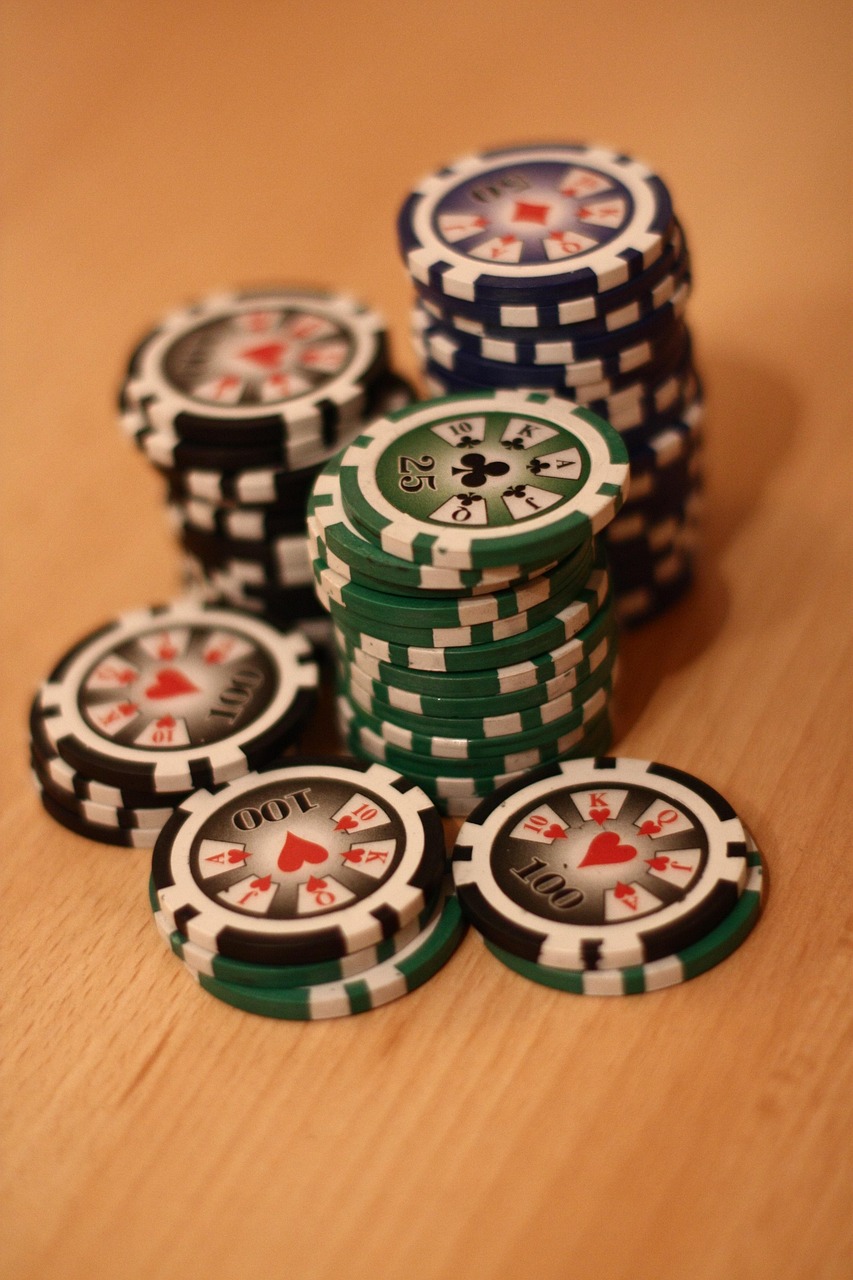
The days of dumping a hundred euros into a slot machine and hoping for the best are quietly dying. Today's iGaming player is more informed, more skeptical, and frankly more demanding. They read the fine print on wagering requirements. They compare RTP percentages the way football fans compare expected goals. And they know that a good poker player isn't the one who wins every hand — it's the one who loses the least on the bad ones. If you're going to spend real money on casino games, slots, or sports betting, you owe it to yourself to understand what actually separates a fun session from a frustrating one. This isn't a lecture about discipline. It's a practical look at how the modern iGaming landscape works, and how to move through it without feeling like you're the mark at the table.
Why the Casino Floor Moved Into Your Pocket
Ten years ago, if you wanted a decent poker game at 11 p.m., you drove to a card room. Today, a licensed mobile casino gives you access to thousands of titles, live dealer tables, and tournament lobbies from your couch. That convenience is genuine — but it also changed the psychology of play. In a physical casino, there's friction: travel time, cashier queues, the social pressure of a table. Online, that friction vanishes. One tap deposits, one tap spins.
The operators know this. That's why responsible gambling tools matter more than ever. Look for platforms that offer deposit limits, session timers, and reality checks. If a site buries those features three menus deep, that tells you something about its priorities. The best-regulated markets — the UK, Malta, Sweden, several US states — now force operators to display this stuff prominently. Use it, even if you think you don't need it.
Slots: RTP, Volatility, and the Myth of the 'Due' Jackpot
Slots are the engine of the iGaming industry, generating the majority of casino revenue worldwide. They're also the most misunderstood game type. Two numbers matter more than any theme or animation:
- RTP (Return to Player): The theoretical percentage of all wagered money returned to players over millions of spins. A 96% RTP slot returns 96 cents per euro wagered, on average, across an enormous sample. It says nothing about your next spin.
- Volatility: How the payouts are distributed. Low volatility means frequent small wins. High volatility means long dry spells punctuated by rare, large hits. A 10,000x max win slot is thrilling — but you might spin 800 times before seeing anything meaningful.
The single biggest myth in slots is that a machine is 'due' after a long losing streak. It isn't. Each spin on a certified RNG (random number generator) is independent. The slot has no memory. If you're chasing a jackpot because the machine 'hasn't paid in a while,' you're playing a story, not a game. Further details are available through สล็อต.
Practical tip: pick volatility that matches your bankroll. If you're playing with 50 euros, a low-volatility slot with 96.5% RTP will last far longer than a high-variance title promising 50,000x. You're buying entertainment time, not a lottery ticket.
Poker: Where Skill Actually Beats the House
Poker is the one game in the casino ecosystem where long-term winners exist. Not because they're lucky, but because they exploit the mistakes of others. The house takes a rake — typically 5% of each pot, capped — but if you're consistently better than your opponents, that rake is a business expense, not a death sentence.
What separates winning players from losing ones? It's rarely about bluffing. It's about three unglamorous things:
- Position. Acting last gives you information. In a six-max cash game, the button is worth more than any hand you're dealt.
- Bankroll management. Serious cash game players keep at least 20 buy-ins for their stake. Tournament players keep 50–100 buy-ins. Variance is brutal; without a cushion, one bad week ends your hobby.
- Range thinking. Amateurs ask 'what do I have?' Winners ask 'what does my opponent think I have, and what does that make their bet mean?'
Online poker also gives you something live play doesn't: data. Tracking software and hand histories let you review every session. That's a superpower, but it's also a trap — too many players spend more time studying HUD stats than actually thinking at the table. Use the tools, don't worship them.
Sports Betting: Odds, Value, and the Discipline Tax
Sports betting has exploded thanks to mobile apps and in-play markets. But the fundamentals haven't changed since the days of the local bookmaker. Every price you see includes a margin — the overround. A fair coin flip should pay 2.00 on both sides. In reality, you'll see 1.91 and 1.91. That 4–5% gap is the book's edge.
To win long-term, you need to find bets where the true probability of an outcome is higher than the implied probability of the odds. That's called value betting, and it's harder than it sounds. A few concrete habits help:
- Line shop across at least three bookmakers. A half-point difference on an NFL spread or a 0.10 difference on a football 1X2 can swing your ROI from negative to positive.
- Track every bet in a spreadsheet. If you don't know your actual yield after 200 bets, you're guessing.
- Avoid parlay addiction. Combined odds feel exciting, but the book's margin compounds with every leg you add.
The Live Dealer Revolution (and Its Hidden Costs)
Live dealer games — blackjack, roulette, baccarat streamed from a studio with a real croupier — have blurred the line between online and land-based. They're visually impressive and socially engaging. But they often carry a higher house edge than their RNG counterparts because the operator pays for the studio, the stream, and the dealer.
A live blackjack table might have a 0.6% house edge under perfect basic strategy, but many casual players play at a 3–5% disadvantage because they refuse to hit 16 against a dealer's 10. The stream doesn't make you smarter. It just makes you feel like you're in Vegas while your bankroll quietly drains at Monaco speed.
Final Thoughts: Play Like You Mean It
The iGaming world is not a charity, and it's not a scam either. It's a business with a built-in mathematical edge, wrapped in entertainment. The players who enjoy it most — and lose least — are the ones who treat it as a cost of leisure, not an investment strategy. Set a budget you'd spend on a night out or a concert ticket. Walk away when it's gone. Learn the actual rules of the games you play, whether that's poker ranges, blackjack basic strategy, or slot volatility. And ignore anyone promising a system that beats the house. If such a system existed, they wouldn't be selling it — they'd be using it in silence.
The house always wins in the long run. Your job is to make sure the long run isn't shorter than it has to be.

Joeby Ragpa
This template is so awesome. I didn’t expect so many features inside. E-commerce pages are very useful, you can launch your online store in few seconds. I will rate 5 stars.
ReplyAlexander Samokhin
This template is so awesome. I didn’t expect so many features inside. E-commerce pages are very useful, you can launch your online store in few seconds. I will rate 5 stars.
ReplyChris Root
This template is so awesome. I didn’t expect so many features inside. E-commerce pages are very useful, you can launch your online store in few seconds. I will rate 5 stars.
Reply