
The Quiet Shift: How AI and Millennials Are Reshaping iGaming

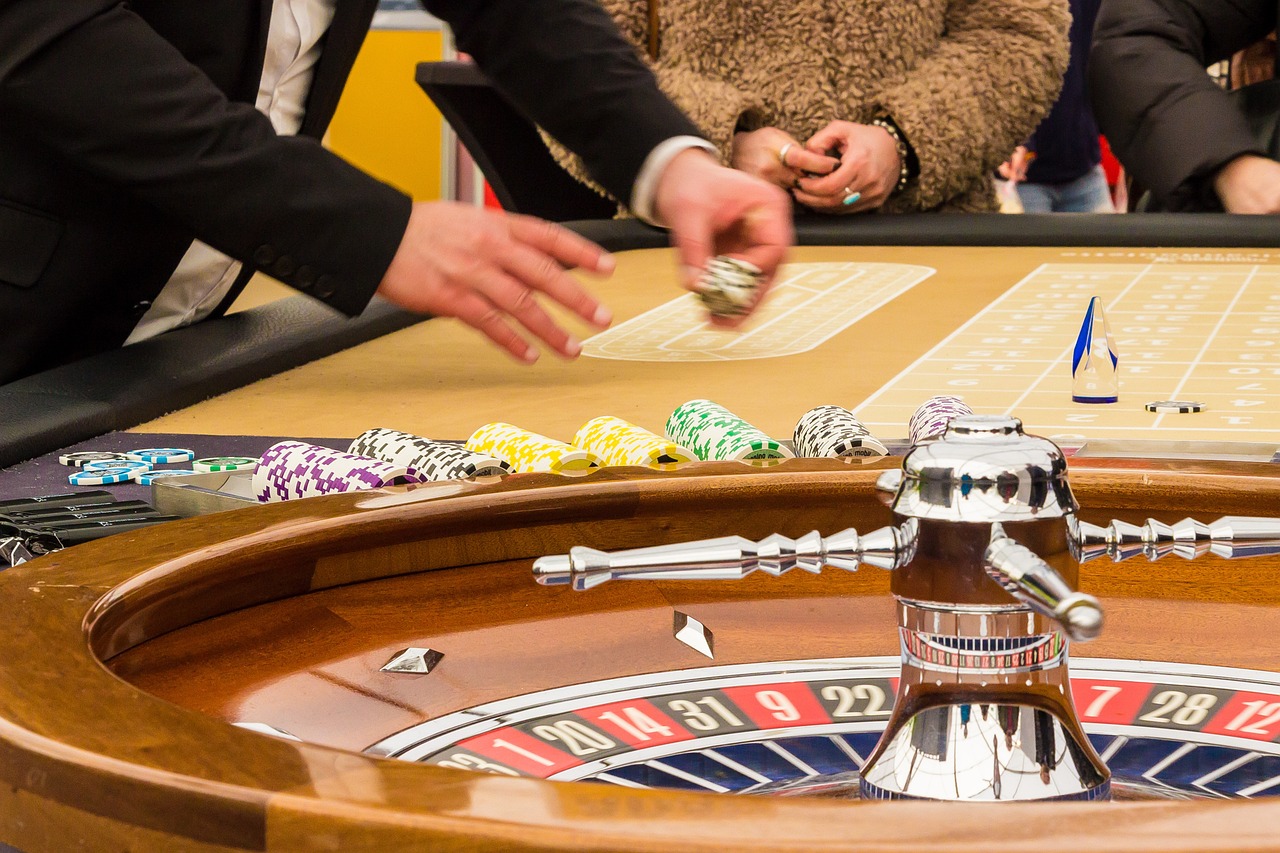
Five years ago, if you walked into a casino, you’d see a sea of grey hair hunched over slot machines, nursing a whisky at 10 a.m. Today, the floor looks different. The average slot player is younger, the bets are smaller, and the phone in their pocket is just as important as the reels in front of them. The iGaming industry—casino, betting, slots, poker—is undergoing a quiet but profound transformation. It’s not just about new games; it’s about who plays, how they play, and what they expect. If you’re an operator, an affiliate, or just a curious player, understanding this shift is the difference between riding the wave and getting wiped out by it.
The Death of the $100 Minimum Table
For decades, casinos built their business on high rollers. A single whale betting $500 a hand at baccarat could cover a week’s overhead. But the economics have flipped. Online, the long tail is everything. Micro-betting—wagers as low as $0.10 on a slot spin or a live poker hand—now generates more aggregate revenue than the VIP rooms for many platforms. Why? Because millennials and Gen Z don’t want to risk rent money on a single hand. They want to play for hours, not minutes.
Consider this: a 2023 report from the UK Gambling Commission found that the average online slot bet is now £0.68, down from £1.20 in 2015. Yet total gross gambling yield from slots rose 12% in the same period. Smaller bets, more players, longer sessions. That’s the new math. For operators, it means the user experience—loading speed, mobile responsiveness, bonus frequency—matters more than the size of the jackpot. A $10,000 progressive is nice, but a steady drip of 10 free spins keeps a player coming back tomorrow.
Poker’s Unlikely Rebirth: Fast-Fold and Social
Poker was supposed to be dead. The online poker boom of the 2000s crashed hard after Black Friday in 2011, and for years the game bled players. But two innovations brought it back from the brink: fast-fold poker and social integration. Fast-fold—where you’re immediately dealt a new hand after folding—cut the boredom factor. No more waiting three minutes for a nit to tank with pocket aces. Sites like Run It Once and GGPoker made fast-fold the default, and suddenly people who “didn’t have time for poker” were playing 200 hands an hour.
Then came the social layer. In 2024, GGPoker reported that 40% of its new players came from social media referrals, not affiliate links. Players share bad beat stories on TikTok, stream final table runs on Twitch, and form Discord groups to sweat each other’s sessions. Poker is no longer a solitary grind in a dark room; it’s a spectator sport. If you’re an operator ignoring this, you’re leaving money on the table. The takeaway? Integrate chat, emojis, and shareable hand histories. Make the game feel like a night out, not a math exam.
The Slot Machine’s Identity Crisis (And Why It’s Good)
Slots are the cash cow of iGaming—roughly 70% of casino revenue in most regulated markets. But the product itself is fracturing. You have the old guard: 5-reel, 20-payline, fruit-themed games with a 96% RTP. Then you have the new wave: Megaways, cluster pays, infinity reels, and “feature buy” options that let you skip the base game for a fixed price. Both work, but for different audiences.
Here’s a concrete example. A traditional slot like Starburst has an RTP of 96.1% and a max win of 50,000 coins. A modern Megaways game like Gates of Olympus has an RTP of 96.5% but a max win of 5,000x your stake, and the base game is almost unwinnable without the bonus. Players who want steady, low-volatility sessions stick with the former. Players who want a lottery ticket for a $2 spin flock to the latter. The smartest operators offer both, then use data to route each player to the right game. Don’t guess—track. Take a look at สล็อตเว็บตรง for a fuller picture.
Bonus Abuse and the Trust Problem
Let’s talk about the elephant in the room: bonuses. Welcome offers, free spins, deposit matches—they’re the industry’s crack cocaine. But they’ve also created a toxic cycle. A 100% match up to $500 with a 40x wagering requirement sounds great until you realize you need to bet $20,000 before withdrawing a dime. Players feel cheated. Trust erodes. And the smart ones leave for sportsbooks that offer “no wagering” free bets or crypto casinos with instant withdrawals.
The fix isn’t complicated, but it requires short-term pain. Reduce wagering requirements to 10x or lower. Cap the max bet while using bonus funds. Be transparent about game contributions—slots count 100%, blackjack counts 10%, and that’s fine, just say so upfront. A 2024 survey by Trustpilot found that “clear bonus terms” was the second most important factor for online casino players, behind only “fast payouts.” You want loyalty? Stop hiding the fine print.
Five Tips for Players Navigating This New Landscape
If you’re a player, not an operator, here’s how to win in this shifted environment:
- Check the RTP before you spin. Anything below 95% is a tax on hope. 96%+ is your baseline. 97%+ is a gift.
- Use demo mode for new slots. Spend 100 free spins on a game before you deposit a cent. You’ll learn the volatility profile fast.
- Treat poker as a skill game, not a lottery. Track your hands with software like PokerTracker. If you’re losing after 5,000 hands, you’re the fish.
- Set a loss limit before you log in. Not a deposit limit—a loss limit. When you hit it, you stop. No exceptions.
- Ignore “hot” and “cold” streaks. A slot machine is a random number generator. The last 10 spins have zero impact on the next one.
The Regulatory Squeeze (And Why It’s Not All Bad)
Governments are catching up. In the past three years, we’ve seen sweeping regulations: the UK’s affordability checks, Germany’s €1 spin limit on online slots, Ontario’s regulated market, and Brazil’s new licensing regime. Many operators groan, but regulation actually helps the legitimate players. It kills the shady offshore sites that never pay out. It forces transparency on RTP and bonus terms. And it opens the door for mainstream payment processors like PayPal and Visa, which boosts trust.
The downside? Innovation moves slower. A new game mechanic that works in Curaçao might take 18 months to get approved in the UK. But that’s the trade-off for legitimacy. The operators who survive will be the ones who embrace compliance as a feature, not a bug. They’ll build trust, and trust is the only moat left in a world where any competitor can copy your game portfolio in a week.
What’s Next?
The next five years will be defined by personalization. AI will analyze your play style—how long you spin, how often you chase bonuses, your reaction to near-misses—and then serve you a game that fits your psychology. That’s either exciting or terrifying, depending on your perspective. But it’s coming. The operators who win won’t be the ones with the biggest jackpots. They’ll be the ones who know when to show you a relaxing low-volatility slot and when to nudge you toward a poker table. For players, the best defense is education. Understand the math, set your limits, and treat the casino as entertainment, not a retirement plan. The house always has an edge—but you can shrink that edge with knowledge. And in this new iGaming world, knowledge is the only free spin that’s truly worth taking.

Joeby Ragpa
This template is so awesome. I didn’t expect so many features inside. E-commerce pages are very useful, you can launch your online store in few seconds. I will rate 5 stars.
ReplyAlexander Samokhin
This template is so awesome. I didn’t expect so many features inside. E-commerce pages are very useful, you can launch your online store in few seconds. I will rate 5 stars.
ReplyChris Root
This template is so awesome. I didn’t expect so many features inside. E-commerce pages are very useful, you can launch your online store in few seconds. I will rate 5 stars.
Reply